No-Dig Pipe Relining In Sydney
★ 4.9 from 489 Google reviews · Free CCTV inspection · From $400/m · Most jobs done in a day

Very professional, easy to communicate with, and excellent finishes. Would happily use Sewer Surgeon again for any waterproofing, roofing, plumbing, carpentry, and building works.
.png)
What's actually wrong with your drain?
Four quick questions. Likely cause, how urgent it is and what to do next. Free, about a minute, no details needed.
No-Dig Pipe Relining Across Sydney
Cracked or root-damaged pipes can be repaired without digging up your yard. Call Sewer Surgeon on 1300 734 677 for a free CCTV inspection and fixed-price quote on pipe relining Sydney homes and businesses can rely on. No excavation, minimal disruption and a warranty of up to 50 years on every pipe relining job.
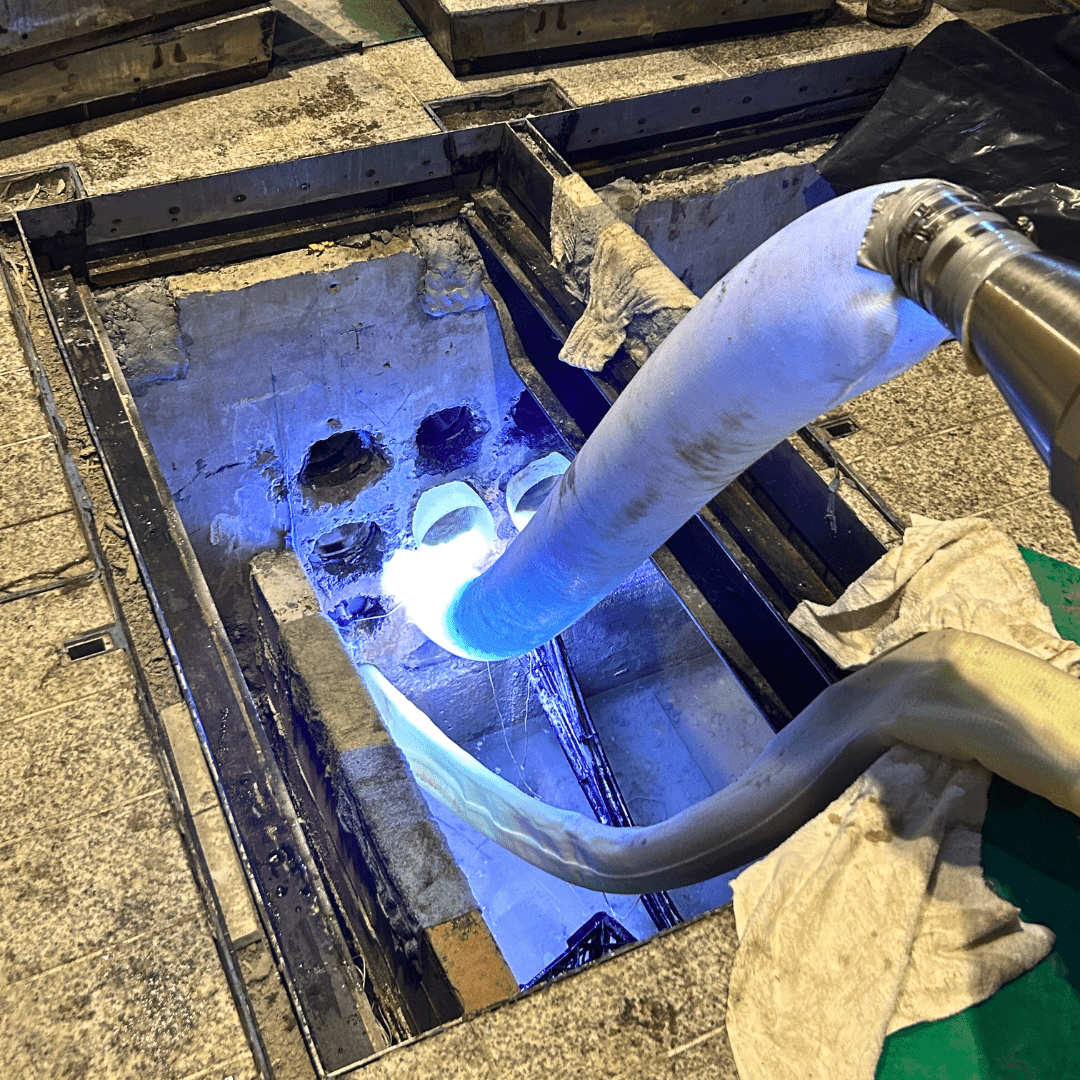
Trenchless pipe relining repairs damaged pipes from the inside rather than replacing them from above. We insert a resin-saturated liner into the existing pipe, cure it in place using UV light, and the result is a new pipe formed within the old one, without a single shovel going into your garden or driveway.
Pipe relining in Sydney is available for residential and commercial properties across the inner west and surrounding Sydney suburbs. Call now or book a free CCTV inspection online to find out the right solution.
.png)
Signs You Need Pipe Relining
Subsoil drainage lines rarely suffer catastrophic structural collapse without giving early warnings. Recognising the mechanical and structural symptoms of degraded underground pipes allows Sydney pipe relining specialists to intervene before a total structural collapse forces expensive open-trench excavation.
If your domestic or commercial setup displays any of these ongoing symptoms, your damaged pipes require professional structural rehabilitation:
- Recurring Blockages: If you find yourself booking blocked drain cleaning every few months only for wastewater to back up again, the host pipe likely has severe structural cracks, displaced joints, or continuous tree root intrusion.
- Persistent Sewage Smells: Strong, foul odours escaping from floor wastes, outdoor grates, or garden areas indicate that effluent is leaking through fractured drainage pipes into the surrounding soil.
- Slow-Draining Fixtures: Slow drains across multiple bathrooms, kitchens, or laundry spaces suggest that an entire sewer line has lost its smooth internal profile due to root masses or dropped pipe sections.
- Sunken Ground or Damp Lawn Patches: Damp, unusually lush green patches of grass or sunken paving over underground sewer pipes or stormwater drains point directly to an active underground leak saturating the subsoil.
- Visible Mould or Foundation Cracks: Wastewater escaping from broken drain lines running near or beneath building footings can erode supporting soil, leading to structural movement, cracking walls, or damp indoor environments.
If it's a one-off blockage rather than a damaged pipe, our blocked drain plumbers in Sydney can usually clear it the same day. Don't wait for a complete pipe collapse to disrupt your home. Book an immediate, zero-obligation CCTV pipe inspection with our technical team today to evaluate your system's internal condition before small cracks turn into major structural failures.
Why Sydney Pipes Fail
Sydney's inner west is one of the most concentrated areas of pre-war housing in Australia. Suburbs like Annandale, Leichhardt, Newtown and Glebe have residential streets lined with Federation terraces and Edwardian semis where the drain pipes beneath the property are often the same ones installed when the homes were built, in some cases more than 100 years ago.
Pipe Age And Material
Pipe age and material sit at the core of most pipe relining work done in Sydney. Earthenware and clay were the standard drainage pipes used throughout the late 1800s and early 1900s. They were durable for their time, but clay and earthenware are brittle materials that weren't built for indefinite service. Joints dry out and open up, sections crack under soil pressure, and the pipe progressively loses its structural integrity. Unlike PVC pipes or cast iron pipe systems used in later construction, clay and earthenware have no capacity to flex; they crack rather than bend, and once cracked, they don't self-seal.
Tree Root Intrusion
Tree root intrusion is the most common cause of pipe relining work across Sydney. The Inner West's older residential streets have mature trees with root systems that extend well beyond the visible canopy, directly into the zone where drain lines and sewer pipes run. A cracked earthenware joint is exactly the moisture source roots seek out. Once tree roots find entry, they grow to fill the cavity, cause recurring blockages and accelerate structural failure of the affected pipe.
Ground Movement
Ground movement compounds both problems. Sydney's clay-heavy soils expand and contract with seasonal moisture changes, placing ongoing stress on rigid pipe joints. Over decades, that movement shifts sections out of alignment, opens joints that were previously stable and causes the kind of misalignment that drain pipes can't recover from without intervention.
This combination- old materials, root pressure and ground movement is why pipe relining Sydney demand is highest across the inner west and why a specialist pipe relining provider with experience in pre-war drainage infrastructure produces better outcomes than a general plumber encountering these pipe types occasionally.
How Pipe Relining Works?
Pipe relining follows a clear sequence, and most residential pipe relining jobs are completed within a single day from inspection to final sign-off.
CCTV Pipe Inspection
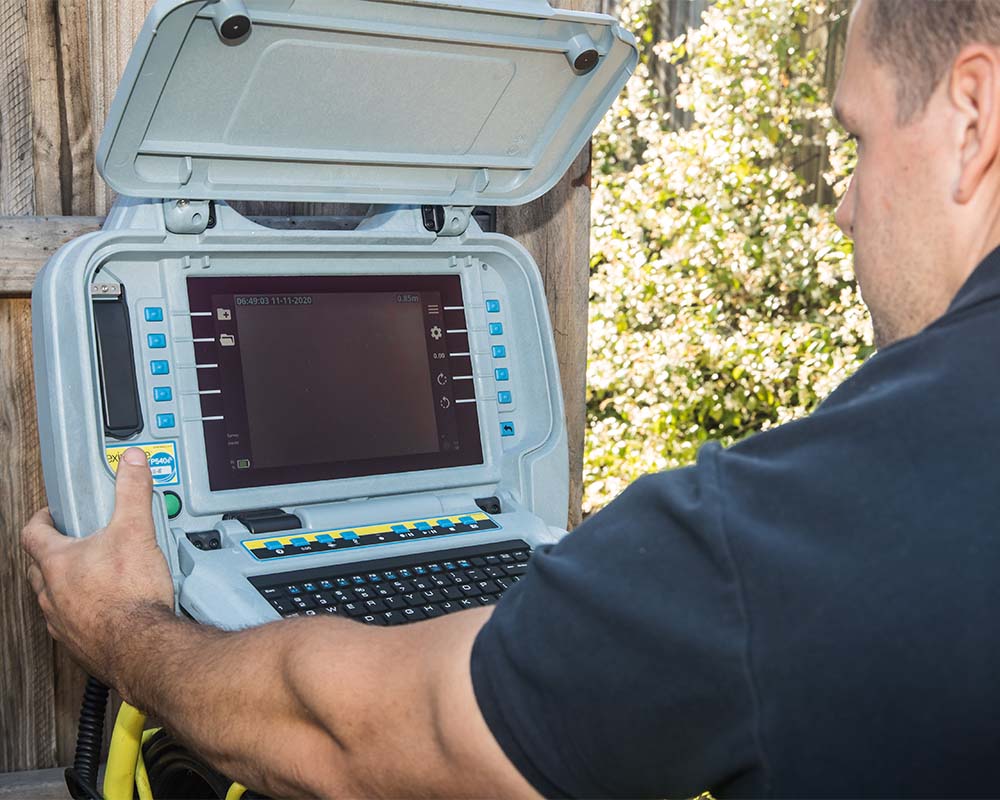
Every pipe relining job starts with a CCTV inspection before anything else happens. A high-definition camera is pushed through the drain pipes to map the damage, precisely the location and extent of any cracks, tree root intrusion, collapsed sections, misaligned joints or general pipe deterioration. The inspection also confirms the pipe diameter and pipe length of the section requiring treatment, which determines the liner specifications and the final quote. A CCTV pipe inspection is free on every pipe relining job at Sewer Surgeon and is the only reliable basis for recommending relining over full pipe replacement. Read more on our CCTV camera pipe inspections page.
High-Pressure Clean
Once the inspection confirms that trenchless pipe relining is the right approach, we clear the existing pipe using high-pressure water jetting, removing all root matter, scale, drain-cleaning debris, and loose material from the pipe wall. The epoxy resin liner bonds to the pipe surface, and a contaminated surface produces an unreliable bond. This step is non-negotiable.
Liner Preparation
A flexible fibreglass-reinforced liner is cut to the exact pipe length required and saturated in epoxy resin. The liner is prepared to match the pipe diameter and condition findings from the CCTV inspection. Pipe size affects the liner thickness and resin system selected. Next, the saturated liner is fed into the affected pipe through an existing access point, in most cases, and inflated under air pressure so it presses firmly and evenly against the full interior wall of the pipe. The liner conforms to the internal shape of the drain pipes, including bends and changes in direction.
UV Curing
Rather than ambient-temperature curing or steam, we use Speedylight LED UV technology to cure the resin inside the liner. A UV light train is pulled through the inflated liner, curing the epoxy resin from within using ultraviolet light. UV curing produces a harder, stronger, more durable pipe than ambient-cure methods. Fibreglass reinforcement combined with UV-cured resin creates a liner that exceeds the structural integrity of the original pipe on most metrics. It also cures significantly faster, which reduces the time the drainage system is out of service. The result is a cured-in-place pipe (CIPP)- a new pipe formed inside the existing pipe, seamless, smooth and root-proof.
Final CCTV Inspection
Once cured, the camera makes a final pass through the relined pipe to confirm the result - smooth interior bore, no gaps, junctions properly reinstated, no remaining pipe damage. Before-and-after footage is available for the customer to view before we leave the site.
── Why Sydney Trusts Us ──
Our Clients Love Their Results
4.9★ from 489 Google reviews — mostly blocked drains and pipe relining across the Inner West.
Our Guarantee & How Long Relining Lasts?
Every pipe relining job completed by Sewer Surgeon lasts for up to 50 years on the liner itself, and a workmanship guarantee on the installation.
The 50-year design life reflects what UV-cured fibreglass CIPP liners are engineered to deliver under normal operating conditions. The smooth interior of a relined pipe resists root intrusion, scale accumulation and corrosion better than the original clay or earthenware drain pipes it replaces. In practical terms, a relined pipe installed today should outlast the remaining service life of most pre-war Sydney homes.
The workmanship guarantee covers the relining process and installation quality. It doesn't extend to new blocked drains caused by external events unrelated to the pipe relining job, a new foreign object blockage, separate pipe sections failing independently, or storm events affecting stormwater drains beyond the relined section.
Every pipe relining job also includes a free CCTV inspection before work begins, confirming suitability and providing the baseline against which the finished result is measured.
Pipe Relining Cost In Sydney
What is the typical cost of pipe relining in Sydney? This is the question most homeowners and property managers ask first, and the honest answer is that it depends on three things: pipe diameter, pipe length and access conditions.
Pipe relining cost in Sydney ranges from $400 to $1,200 per metre depending on those variables. Most relining jobs start at around $2,400. Additional metres are charged according to the work required. Every pipe relining project involves specialist equipment, CCTV inspections, drain cleaning, and resin preparation.
What moves the price within those ranges:
Pipe diameter is the most significant cost driver: A 100mm residential sewer line costs substantially less to reline than a 225mm stormwater main. More liner material, longer curing time and more specialist equipment, all priced accordingly.
Access conditions matter significantly: A pipe with existing inspection points accessible from above ground costs less to reline than one requiring a small localised excavation to reach an entry point.
Pipe patching vs full reline: The CCTV pipe inspection finds isolated damage in an otherwise sound drain pipe; pipe patching, relining just the damaged section, is a more efficient pipe repair option than relining the full run. Our pipe relining experts confirm the appropriate scope after inspection.
UV vs ambient cure: UV curing is faster and produces a stronger result, but ambient-cure CIPP liners perform excellently for standard residential applications and are priced lower. We'll recommend the right system for the specific pipe relining job based on what the inspection finds.
Every quote is confirmed in writing after the CCTV pipe inspection and before any relining work begins. No guessing, no adjustments mid-job. For a full cost breakdown, see our pipe relining cost guide.
Pipe Relining Near You
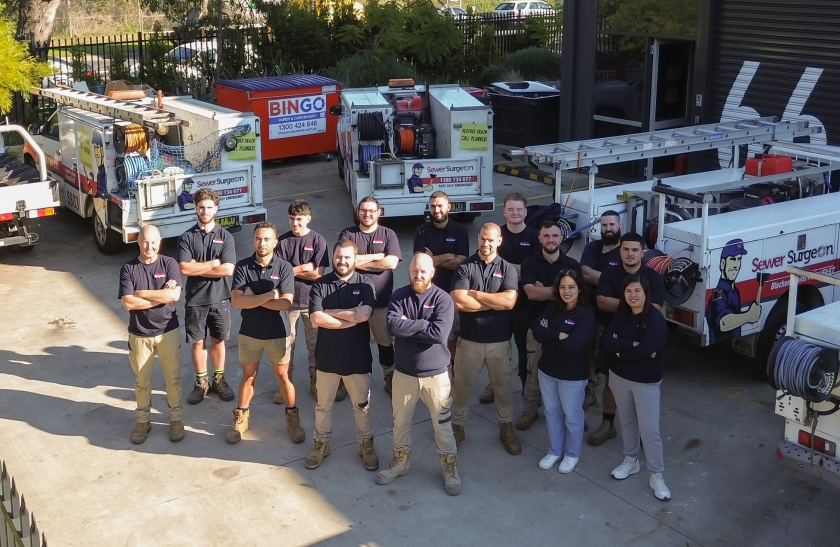
Sewer Surgeon provides pipe relining services across metropolitan Sydney, helping homeowners, strata managers and businesses repair damaged underground drains without unnecessary excavation. Our technicians reline pipes every week across the Inner West, including Leichhardt, Annandale, Balmain, Newtown, Marrickville, Petersham and Summer Hill.
Whether you're dealing with cracked sewer pipes beneath a family home or ageing drainage infrastructure at a commercial site, our team can assess the condition of the pipe and recommend the most suitable repair. If you're unsure whether we service your suburb, visit our Service Areas page or contact our team for assistance.
Frequently Asked Questions.
What is the typical cost of pipe relining in Sydney?
Why is pipe relining so expensive?
Is pipe relining effective?
Can you reline a pipe yourself?
How long does a pipe relining job take?

Get your free quote for Pipe Relining
If you're experiencing recurring blockages, cracked drains or suspected underground pipe damage, don't wait until excavation becomes the only option. Sewer Surgeon provides professional Sydney pipe relining services designed to restore damaged pipelines without the disruption of traditional digging.
Being members of the Master Plumbers Association and accredited by Sydney Water, we offer the best solutions. Our team will inspect your drainage system, explain whether relining is appropriate and provide practical recommendations based on the actual condition of your pipes. Call 1300 734 677 today or request your free CCTV inspection online to find out whether trenchless relining is the right solution for your property.
.png)