


We see it all the time. A homeowner with a blocked drain grabs the nearest tool and makes the problem worse. Sometimes it's a wire coat hanger bent into a hook. Other times it's a power drill attachment that looked promising online.
DIY attempts can turn a simple blockage into a pipe replacement job. Professional plumbers use specific tools for specific blockages. We know which tool works for which problem and when to stop before causing more damage.
This guide shows you what we use on jobs around Strathfield South and across Sydney, what you can safely use at home, and what you should avoid.
Tools Professionals Use for Blocked Drains
When we arrive at a blocked drain job in Roseville or Alexandria, we're carrying equipment most homeowners have never seen. These tools are purpose-built for diagnosing and clearing blockages without damaging pipes.
Electric Drain Snakes and Power Augers
An electric drain snake does what a manual one does, but with serious torque and control. We use these for stubborn blockages that don’t need a jetter.
The motor provides consistent rotation speed, and the cable can reach 30 to 100 metres depending on the model. The key difference from a hand crank is control. We can adjust speed and reverse rotation if the cable binds.
A tree root feels different from a collapsed pipe, which feels different from a mass of wet wipes. We also use sectional drain machines for main sewer lines. The cable comes in sections, allowing us to feed in exactly the length we need.
High-Pressure Water Jetters
A hydro jetter is what we bring when the blockage needs obliterating. It pumps water through a specialised hose at pressures between 3,000 and 4,000 PSI.
The nozzle shoots water backwards and forwards simultaneously, pulling the hose through the pipe while blasting debris off the walls. Jetters clear grease, scale buildup, tree roots, and years of accumulated gunk.
We use jetters regularly in commercial properties around Summer Hill and Greenacre where grease buildup is constant. They're also perfect for residential jobs where tree roots have infiltrated the sewer line.
CCTV Drain Cameras
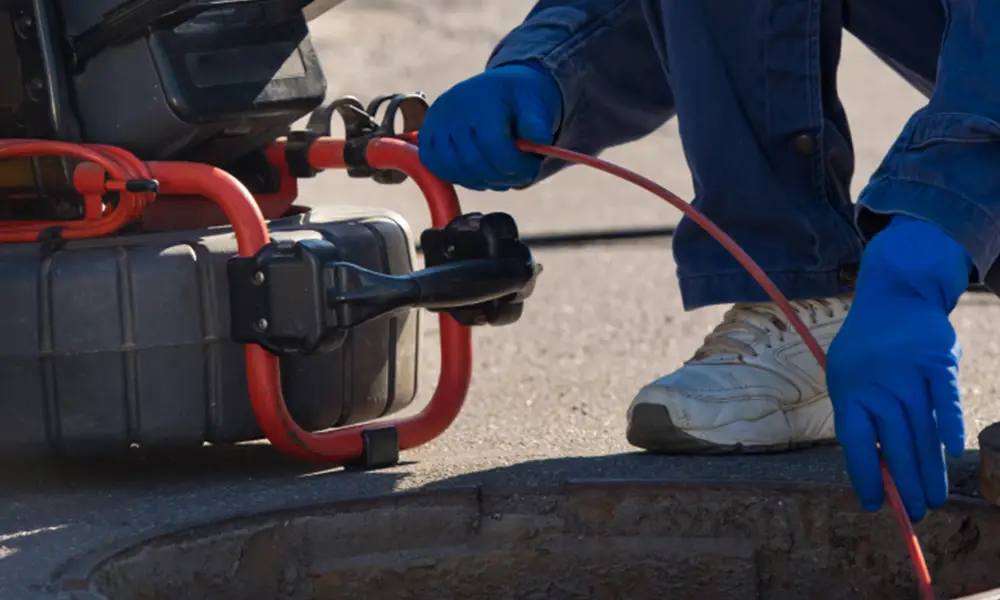
Before we clear anything serious, we often run a camera through the line first. CCTV camera pipe inspections show us exactly what we're dealing with: the blockage's location, type of debris, pipe condition, and any structural damage.
The cameras are waterproof, have powerful LED lights, and send a live feed to a screen above ground. We can record footage, measure distances, and use locating equipment to pinpoint exactly where the camera is under your property.
It's about accuracy. If we know there's a collapsed section at 12 metres from the boundary, we don't waste time snaking 8 metres of clear pipe. We go straight to the problem.
Pipe Locators and Inspection Equipment
When a blockage is deep in the ground or under a concrete slab, we need to know exactly where to dig. Pipe locators work with the CCTV camera to transmit a signal we can track from above ground.
This means we can mark the exact spot on your driveway or lawn before breaking out the jackhammer. We also use acoustic leak detectors for jobs where water is escaping but the leak isn't visible.
These pick up the sound of water escaping from a pipe, even through concrete or soil.
What Homeowners Can Safely Use
You don't need professional equipment for every blocked drain. Some tools are genuinely safe and effective for minor blockages. We'd rather you try these first than call us out for something you can fix in five minutes.
Plungers (Used Correctly)
A good plunger works for most toilet and sink blockages. You want a plunger with a proper rubber cup that creates a seal. For toilets, use a flange plunger, the one with an extra bit that extends from the cup.
For sinks, use a cup plunger. The technique matters. Fill the sink or toilet with enough water to cover the plunger cup. Push down slowly to expel air, then pull up sharply. The suction on the pull dislodges the blockage.
Repeat 15 to 20 times before giving up. Don't plunge if you've already poured chemical drain cleaner down the drain. You'll splash caustic chemicals everywhere.
Drain Snakes (Manual, Short Length)
A hand-crank drain snake, also called a drum auger, is fine for simple clogs within a few metres of the drain opening. These typically have 6 to 10 metres of cable and a crank handle you turn manually.
Use them for bathroom sink drains clogged with hair or kitchen sinks with light food buildup. Feed the cable in slowly while cranking clockwise. When you hit resistance, keep cranking gently. You'll either break through or hook the debris so you can pull it out.
Stop if you feel hard resistance that won't budge. You might be hitting a pipe joint or the cable might be coiling inside the pipe instead of advancing.
Wet/Dry Vacuum
If you have a wet/dry shop vacuum, you can use it to suck out blockages from sink and floor drains. Remove any drain covers or strainers. Set the vacuum to liquids mode.
Create a seal over the drain opening with the hose, using an old cloth if needed. Turn it on full power. This works surprisingly well for blockages near the drain opening.
We've seen it pull out toy cars, hair clogs, and food masses that were just out of reach.
Tools You Should Never Use
These tools either damage pipes, push blockages deeper, or create hazards most people don't expect.
Chemical Drain Cleaners
Chemical drain cleaners cause more problems than they solve. The liquid ones you pour down the sink contain sodium hydroxide or sulfuric acid. They generate heat as they react with the clog, which can crack porcelain fixtures, corrode metal pipes, and damage PVC joins.
They rarely clear a full blockage. What usually happens is the chemical sits on top of the clog, eating away at your pipes while doing nothing to the actual problem. When we arrive to clear the drain, we're working with hazardous chemicals in standing water.
If you've got a completely blocked drain, the chemical just sits there. If the drain is slow but not blocked, you don't need the chemical anyway.
Pressure Washers (Garden Variety)
Some homeowners think a domestic pressure washer can work like our hydro jetters. It can't. Garden pressure washers max out around 2,000 PSI and aren't designed for internal pipe work.
The hoses and nozzles are wrong. The pressure is inconsistent. Putting a pressure washer lance down a drain can crack pipes, especially older earthenware or weak PVC.
We've attended jobs in Earlwood and Curl Curl where DIY pressure washing created burst pipe emergencies. Professional jetters use specialised nozzles designed to protect pipes while cleaning them.
Power Drills with Drain Attachments
There's a whole category of drill attachments marketed for drain clearing. They're spiral cables or barbed tools that chuck into your power drill. Don't use them.
Power drills spin too fast and have no torque control. The cable can bind in the pipe, twist back on itself, or snap. If it snaps while you're holding a spinning drill, you've got a metal whip flying around your bathroom.
Even if it doesn't snap, the high speed can bore through pipe walls. PVC and older clay pipes don't stand a chance against an uncontrolled drill spinning at 1,500 RPM.
Stiff Wire or Coat Hangers
Straightening a wire coat hanger and shoving it down a drain is a classic move that scratches pipes and rarely works. The wire is too thin to push through most blockages and too stiff to navigate bends without scraping.
If you're dealing with a toilet, a wire can scratch the porcelain inside the S-bend. Once you've created a rough patch, waste clings to it, leading to repeat blockages.
The wire can also poke through deteriorated pipes, especially old earthenware sewer pipes common in older Sydney suburbs.
When to Call a Professional
Some blockages look simple but hide bigger problems. Others are in locations you can't safely access. If your plunger and drain snake haven't cleared the blockage after three attempts, something else is going on.
The blockage might be too far down the line, too solid, or there could be a structural problem with the pipe. Multiple drains blocking at once means the problem is in your main sewer line.
If the toilet, shower, and bathroom sink are all slow or backing up, don't keep plunging. The blockage is downstream of all those fixtures, which puts it outside DIY range.
Recurring blockages in the same drain point to a bigger issue. You might have tree roots infiltrating the pipe, a collapsed section, or incorrect pipe slope. Clearing the symptom every few weeks doesn't fix the cause.
If you're seeing sewage backing up through floor drains, shower grates, or out of inspection points, stop using water immediately. This indicates a serious blockage or failure in the main line.
What Happens During a Professional Blocked Drain Job
When you call us out to a property in Manly or Queens Park, here's what happens. We don't just rock up and start snaking drains. First, we talk to you about symptoms. When did it start? Which drains are affected? Any strange smells or sounds? This helps us focus.
Then we assess the situation. We'll check the affected drains, look at your inspection points if you have them, and sometimes run a camera through to see what we're dealing with. For complex jobs, the camera investigation happens before we quote the clearing work.
Once we know what's blocked and where, we choose the right tool. A small grease clog gets a drain snake. A main line full of roots gets the jetter. A collapsed pipe gets flagged for pipe relining or replacement.
We clear the blockage, test the drainage, and then explain what we found. If there's an underlying problem like root intrusion or pipe damage, we'll talk you through the options.
The Real Cost of Using the Wrong Tools
Damaged pipes are expensive to fix. A blocked drain clearing costs a few hundred dollars. Replacing a section of broken sewer pipe under your driveway costs thousands.
We see cracked PVC joins from pressure washers, scratched toilet traps from wire coat hangers, and pipes corroded by repeated chemical use. Each of these small mistakes compounds into bigger repairs.
There's also the time cost. You spend Saturday afternoon wrestling with a drain snake that's not long enough to reach the blockage. The drain's still blocked. You call us anyway.
You could've called Thursday morning and had it fixed by lunch. Then there's the mess. Sewage backing up because you pushed a blockage deeper isn't just unpleasant. It's a health hazard.
Raw sewage contains bacteria that can make you seriously ill. We're not saying this to scare you. We're saying it because we clean up these situations weekly. Using the right tool for the job, or knowing when to call a pro, saves you money and stress.
Sydney-Specific Drain Issues
Sydney's mix of old and new infrastructure creates specific drainage problems. Parts of the inner west have clay pipes from the 1920s. Newer suburbs like Marayong have PVC.
Strata properties often have shared drainage systems that complicate blockages. Tree roots are massive in Sydney. Figs, gums, and palms send roots straight for sewer lines, especially in summer when they're hunting for water.
Once roots get into a pipe through a cracked join, they spread fast. Stormwater and sewer mixing is another issue in older properties. Some homes still have combined systems where rainwater and sewage share pipes.
Heavy rain can overwhelm these systems and cause backups that look like blockages but are actually overflows. If you're in a strata property, check whether the blockage is in common property or your lot.
The body corporate is responsible for shared pipes, but you're responsible for the section from your fixtures to the connection point. We work as a strata plumber regularly and can navigate this for you.
Professional drain clearing isn't just about fancy equipment. It's about using the right tool for the specific blockage without causing damage. If you're dealing with a blocked drain that won't budge or you're not sure what's safe to try, get in touch with us and we'll sort it quickly.
Frequently Asked Questions
Can I use a plunger if I've already poured drain cleaner down?
No. Don't plunge after using chemical drain cleaner. The force of plunging can splash caustic chemicals onto your skin or all over the bathroom. If you've used chemicals and they haven't worked, leave the drain alone and call a plumber.
How do I know if a blockage is too deep for a DIY drain snake?
Most hand-crank drain snakes have 6 to 10 metres of cable. If you've fed out the entire length and haven't hit the blockage, it's beyond DIY range. If you can feel the cable moving but the drain isn't improving, the blockage might be in the main sewer line.
Will a hydro jetter damage old pipes?
Professional plumbers adjust jetter pressure based on pipe type and condition. We run lower pressure in old earthenware or damaged pipes. A skilled operator won't damage pipes with a jetter.
That said, if a pipe is already badly deteriorated, the jetting process can reveal cracks or collapses that were about to fail anyway. That's useful information before the pipe completely fails and floods your property.
What's the difference between a blockage and a collapsed pipe?
A blockage is debris, grease, roots, or objects stuck in an otherwise intact pipe. A collapsed pipe is a structural failure where the pipe has cracked, broken, or caved in. You can clear a blockage.
A collapsed pipe needs repair or relining. If your drain has suddenly gone from working fine to completely blocked with no warning, or if multiple attempts at clearing achieve nothing, you might be dealing with a collapse rather than a simple clog.
How often should I get my drains professionally cleaned in Sydney?
Most residential properties don't need routine drain cleaning if everything's working fine. If you're getting slow drains or repeat blockages every 6 to 12 months, that's a sign of an underlying issue worth investigating.
Commercial kitchens and strata properties with heavy use benefit from annual or bi-annual maintenance clearing to prevent major blockages.