


Your roof and sewer system might seem like they have nothing to do with each other. One sits at the top of your property, the other runs underground. But when stormwater plumbing isn't working properly, your sewer ends up dealing with problems it was never designed to handle.
We see this constantly across Sydney. A blocked downpipe or poorly installed stormwater drain redirects water straight into the sewer line. The system gets overwhelmed. Toilets back up, drains overflow, and what started as a roofing issue becomes a full-blown plumbing emergency.
Understanding how these systems connect can save you thousands in repairs and a lot of stress when the next downpour hits.
Why Stormwater and Sewer Systems Should Stay Separate
Modern Australian plumbing standards keep stormwater and sewage systems completely separate for good reason. Your sewer system is built to handle wastewater from toilets, sinks, showers, and appliances. It's designed for a steady, predictable flow.
Stormwater systems manage rainwater from your roof, driveway, and outdoor areas. During heavy rain, the volume of water can be massive. Even a moderate storm can dump hundreds of litres onto your roof in minutes.
When stormwater gets into your sewer line, the system can't cope. Sewer pipes aren't sized for that kind of volume. The result is backflow, overflows, and blockages.
In older Sydney homes, particularly in areas like Earlwood and Summer Hill, we often find illegal stormwater connections installed decades ago. These connections are now a major liability.
The separation isn't just about capacity. Stormwater carries leaves, dirt, sand, and debris from your roof and gutters. When that material enters a sewer line, it settles, builds up, and creates blockages that can take hours to clear.
Common Roof and Stormwater Issues That Affect Your Sewer
Blocked or Damaged Roof Gutters
Gutters do more than just protect your walls from water damage. When they're blocked with leaves and debris, water overflows. In some properties, that overflow finds its way into badly designed drainage points or older stormwater pipes that connect to the sewer.
We've attended callouts in Queens Park and Manly where tree debris blocked gutters completely. The overflow saturated the ground around sewer pipes and caused soil movement. It cracked aging clay pipes.
The homeowner thought they had a sewer problem. The real issue started on the roof.
Broken or Disconnected Downpipes
Downpipes channel water from your gutters to stormwater drains or soak wells. When they crack, come loose, or discharge too close to the house, water pools around your foundation. That water can infiltrate sewer pipes through cracks or joins, especially in older terracotta systems.
In Greenacre and Marayong, we work with a lot of older housing stock. We regularly find downpipes that were never properly connected to stormwater drains. They just dump water at ground level.
Over years, that creates erosion around sewer lines and leads to structural failure.
Poorly Designed or Damaged Stormwater Drains
Your stormwater drains should move water away from the house and into the street gutter or council stormwater system. But if the drains are cracked, crushed by tree roots, or graded incorrectly, water backs up. In heavy rain, it can find its way into sewer inspection points, gully traps, or damaged pipe sections.
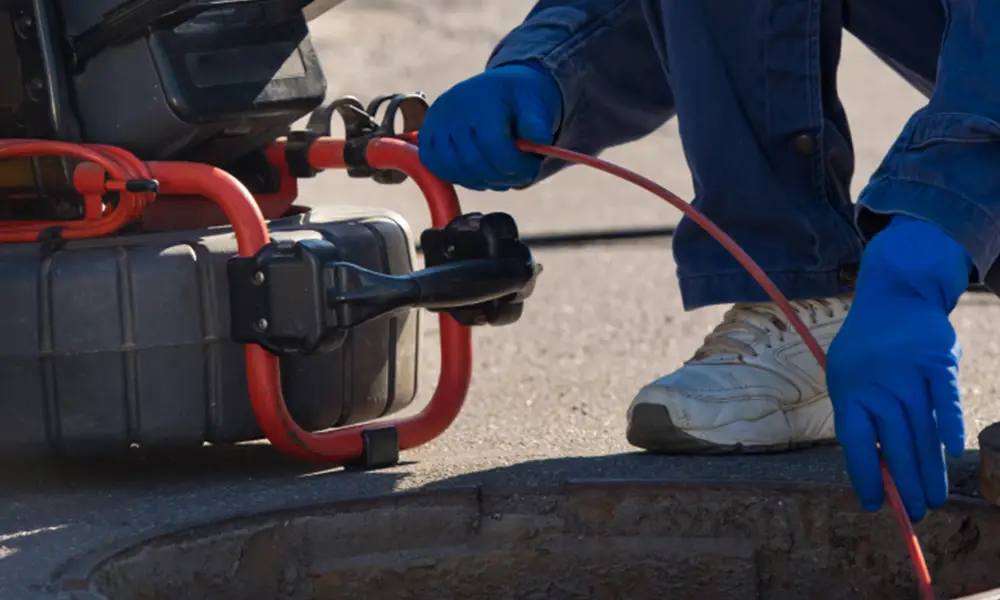
We use CCTV camera pipe inspections to identify exactly where stormwater is entering the sewer system. The camera shows us cracks, root intrusion, and illegal connections that aren't visible from the surface.
It's the fastest way to diagnose a problem without digging up your yard.
Illegal Stormwater Connections
In some older Sydney properties, stormwater drains were deliberately connected to sewer lines. This was common practice before modern building codes. If you've got one of these connections, every time it rains heavily, you're dumping roof runoff straight into your sewer.
That's a compliance issue, and Sydney Water can issue fines if they discover it during an inspection. More importantly, it's a practical problem. Your sewer system will struggle during storms, and you'll likely experience regular blockages and overflows.
What Happens When Stormwater Overloads Your Sewer
The first sign is usually slow drainage. Toilets take longer to flush and showers drain sluggishly. You might hear gurgling from your pipes during or after rain. That's air being pushed through the system as water tries to move through an already full pipe.
If the problem continues, you'll see backflow. Sewage comes up through floor drains, gully traps, or the lowest toilet in the house. It's unpleasant, unsanitary, and can cause serious damage to floors and walls if not dealt with immediately.
In extreme cases, particularly during Sydney's intense summer storms, we've seen entire sewer systems back up into homes in low-lying areas like Botany and Alexandria. The combination of stormwater infiltration and high flows from multiple properties can overwhelm even newer pipe systems.
When sewer pipes are regularly filled beyond capacity, joints can separate and pipes can crack under pressure. The whole system degrades faster than it should. What might have been a 50-year pipe system needs replacing in 20.
How to Protect Your Sewer from Roof and Stormwater Problems
Keep Gutters and Downpipes Clear
Clean your gutters at least twice a year, more often if you have overhanging trees. Make sure downpipes are securely attached and discharging into proper stormwater drains, not just onto the ground near your house.
If you're in an area with a lot of trees, like Roseville or Curl Curl, consider installing gutter guards. They're not perfect, but they reduce the amount of debris that builds up and help water flow freely during storms.
Check Your Stormwater Drains Regularly
After heavy rain, walk around your property and look for pooling water. Pay special attention near downpipes or around the house foundation. If water isn't draining away properly, there's likely a blockage or grading issue in your stormwater system.
You can sometimes clear minor blockages with a hose or plunger. But if water backs up repeatedly, you need a professional assessment. Tree roots are a common cause and they require proper equipment to remove.
Inspect Older Properties for Illegal Connections
If you've bought an older home or you're experiencing regular sewer issues during wet weather, get your system checked. A camera inspection will show whether stormwater is entering your sewer and where the problem is occurring.
Disconnecting an illegal stormwater connection and installing proper drainage isn't cheap. But it's far less expensive than dealing with ongoing sewer overflows and potential fines from Sydney Water.
Install Proper Drainage Solutions
If your property doesn't have adequate stormwater drainage, you might need soak wells, ag drains, or a connection to the street stormwater system. The right solution depends on your soil type, property slope, and local council requirements.
We handle these installations regularly across Strathfield South and surrounding suburbs. It's often part of a larger fix when we're repairing or replacing damaged sewer lines. Getting both systems right at the same time saves money and prevents future issues.
Consider Pipe Relining for Damaged Sections
If your sewer pipes have cracks or separated joints that are letting stormwater in, pipe relining can be a cost-effective solution. We insert a resin-lined sleeve into the existing pipe, which hardens to create a new, watertight pipe inside the old one.
It's faster and less disruptive than digging up your yard. It stops both stormwater infiltration and tree root intrusion. For properties in areas with established trees, it's often the best long-term fix.
When to Call a Professional
Some plumbing issues you can troubleshoot yourself. Stormwater and sewer problems aren't usually in that category. Get professional help if you're experiencing any of these:
- Sewage backing up during or after rain
- Persistent slow drainage that worsens in wet weather
- Gurgling sounds from drains when it rains
- Water pooling around your house foundation
- Visible cracks or damage to stormwater or sewer pipes
We offer emergency 24/7 plumbing services because sewer overflows don't wait for business hours. If you've got sewage in your home, we'll get someone out fast. We don't charge additional fees regardless of time taken, so you won't get hit with unexpected costs while we're diagnosing and fixing the problem.
For less urgent issues, a scheduled inspection with our camera equipment will give you a clear picture of what's happening underground and what needs to be fixed.
Your roof, gutters, and stormwater drains all play a role in keeping your sewer system running properly. When one part fails, the whole system can suffer. Regular maintenance and quick action when problems show up will save you money and keep your home safe and dry.
If you're dealing with drainage issues or want to get your stormwater and sewer systems checked, get in touch with us and we'll sort it out.
Frequently Asked Questions
Can stormwater legally connect to my sewer in Sydney?
No. Current NSW plumbing regulations require stormwater and sewer systems to be completely separate. If you have an illegal connection, you'll need to disconnect it and install proper stormwater drainage that directs water to council systems or appropriate disposal points on your property.
How do I know if stormwater is getting into my sewer?
The main signs are drainage issues that happen during or after rain and gurgling pipes when it's wet. Sewage backups during storms are another red flag. A CCTV camera inspection will show exactly where water is entering your sewer line and whether you've got cracks, root intrusion, or illegal connections.
Who is responsible for fixing stormwater drainage issues in Sydney?
You're responsible for all stormwater drainage on your property up to the point where it connects to council infrastructure. That includes roof gutters, downpipes, and any stormwater drains on your land. Council maintains the street stormwater system.
How much does it cost to fix stormwater problems affecting my sewer?
It depends on what needs fixing. Clearing a blocked stormwater drain might cost a few hundred dollars. Disconnecting an illegal connection and installing new drainage can run into thousands. We always inspect first and give you a clear quote before starting work, so you know exactly what you're paying for.
Do I need stormwater drainage if I have a rainwater tank?
Yes. A rainwater tank collects some of your roof water, but you still need overflow drainage for when the tank is full or during heavy rain. The overflow needs to go somewhere, and it can't go into your sewer.